October 9, 2026
A kitchen renovation is one of the most impactful investments you can make in your home, dramatically improving daily functionality and overall property value. However, mapping out the financial side of a major overhaul can feel daunting without a clear breakdown of costs and expenses. By planning carefully and accounting for key project variables early, you can create a realistic budget that achieves your vision while keeping costs firmly under control.
Establishing Realistic Budget Expectations and Baselines
Setting a clear baseline budget is the foundation of any successful home improvement project. According to reports from USA Today, in 2024 so far, over a third of homeowners went over their budget for home renovations. Preventing unexpected overages begins with understanding average industry costs and allocating funds proportionally across key renovation categories. Generally, cabinetry and hardware absorb the largest portion of a kitchen budget, followed by appliances, countertops, and labor costs. Consulting with experienced local kitchen designers early in the planning process helps you set realistic expectations aligned with current material prices and local labor rates.
Taking time to outline your financial boundaries before demolition starts gives you complete control over your project scope and decision-making process. Professional designers can analyze your wish list against your financial cap, helping you identify where to splurge on high-impact focal points and where to save using cost-effective alternatives. They also bring crucial insight into regional supply chain trends and contractor pricing, ensuring your estimated figures match real-world bids. Establishing a detailed line-item budget prevents impulse decisions during mid-project material selections, keeping your financial goals aligned with the final outcome. Ultimately, thorough initial budgeting creates a clear roadmap that reduces stress, streamlines product procurement, and protects your long-term property investment.
Allocating Funds for Structural Layout Changes
Altering the physical footprint or structural layout of your kitchen significantly impacts total project expenditures. Moving load-bearing walls, relocating plumbing lines, or re-routing electrical circuitry requires specialized trade labor, structural engineering inspections, and local building permits. If your existing floor plan functions well, retaining the original layout allows you to redirect your budget toward higher-end finishes, custom cabinetry, or upgraded appliances. However, if your space feels cramped or inefficient, working with professional kitchen designers ensures that any structural modifications deliver maximum functional value for every dollar spent.
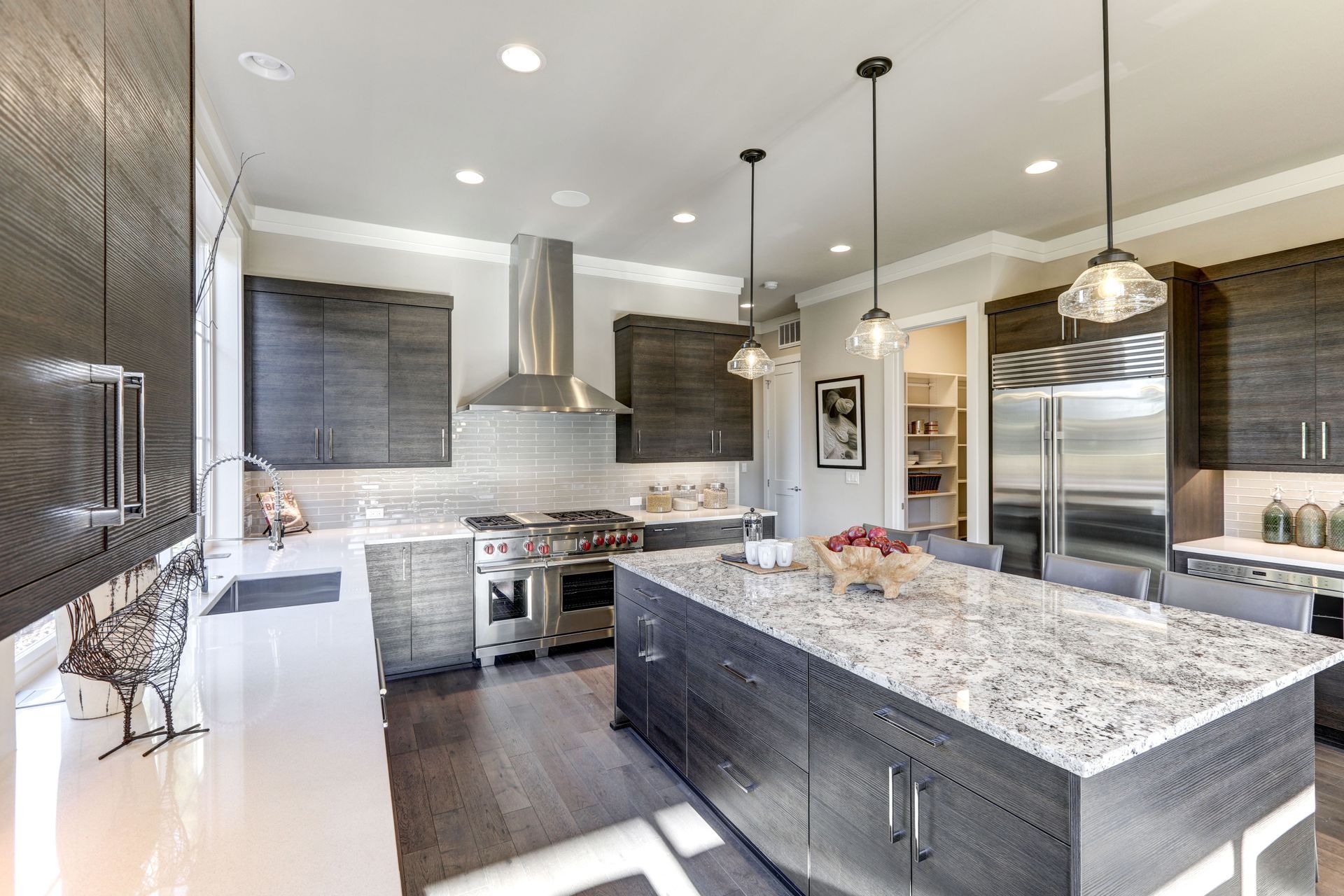
Modifying wall placements or changing plumbing locations introduces complex mechanical considerations that quickly affect your bottom line. Rerouting gas lines, shifting drainage stacks, or expanding existing electrical subpanels often involves opening up adjacent walls and ceilings, leading to higher labor costs and extended project timelines. Experienced local kitchen designers can evaluate your current architectural framework to identify non-structural modifications that improve spatial flow without requiring heavy demolition. For instance, removing a non-load-bearing half-wall, expanding a doorway, or replacing a bulky wall oven cabinet with an integrated island layout can create an open, airy environment at a fraction of the cost of moving major load-bearing supports. Partnering with design professionals ensures every layout adjustment optimizes work triangle efficiency, enhances natural light distribution, and adds long-term resale value to your property.
Selecting Cabinetry and Custom Storage Solutions
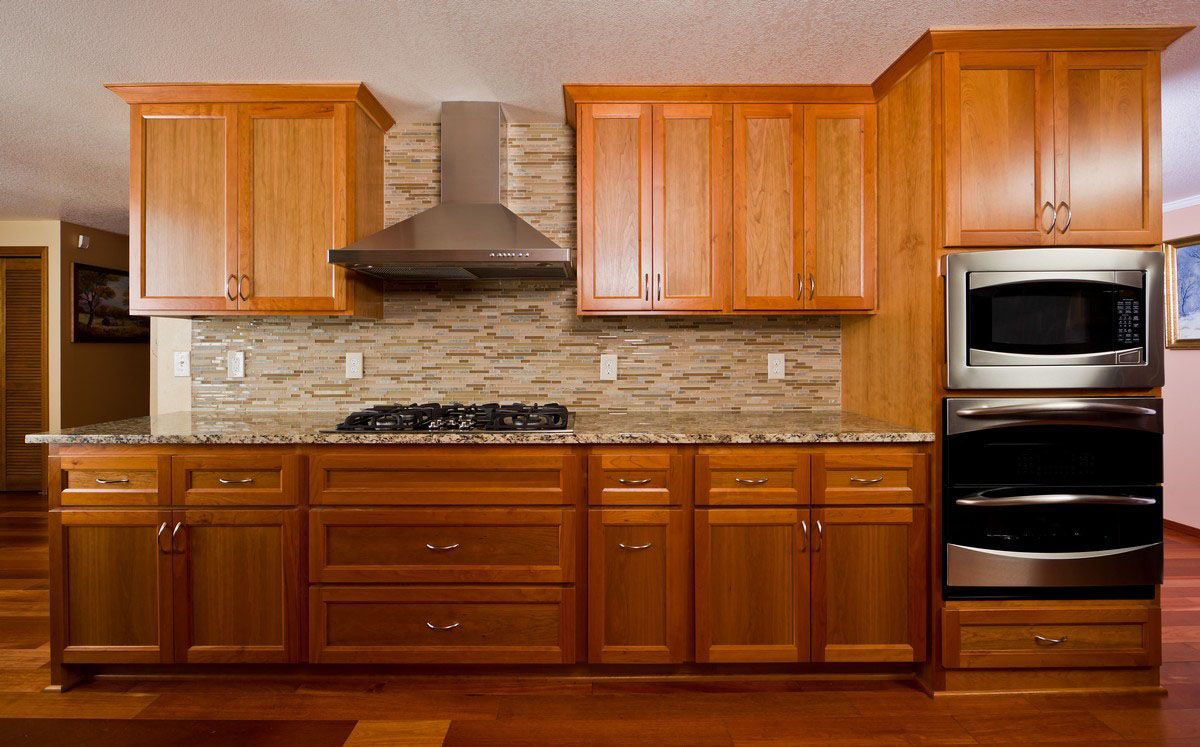
Cabinetry serves as both the visual centerpiece and the organizational backbone of your culinary space. Your choice between stock, semi-custom, and fully custom cabinetry directly influences both total material costs and lead times for delivery. Custom cabinetry offers tailored storage accessories, premium hardwoods, and flawless fit for unique architectural spaces, while semi-custom lines provide a strong balance between quality and cost efficiency. Partnering with skilled local kitchen designers allows you to explore space-saving pull-out organizers, durable construction finishes, and soft-close hardware that maximize utility without overextending your budget.
Investing in tailored cabinetry solutions also dramatically improves everyday ergonomics and long-term storage organization. Incorporating deep drawer bases instead of traditional lower cabinets eliminates awkward reaching, while vertical tray dividers, corner Susan units, and integrated appliance garages keep countertops completely clutter-free. Furthermore, professional kitchen designers help you evaluate material durability, guiding you toward solid plywood box construction, dovetail drawer joinery, and durable factory-applied finishes that withstand continuous daily kitchen activity. Selecting high-quality cabinet hardware, soft-close hinges, and full-extension drawer glides prevents mechanical wear over time, ensuring your storage investment functions smoothly for decades. Balancing built-in custom features with your overall budget limits guarantees that every square inch of your kitchen delivers optimal accessibility, maximum utility, and timeless visual charm.
Investing in Quality Countertops and Backsplash Materials
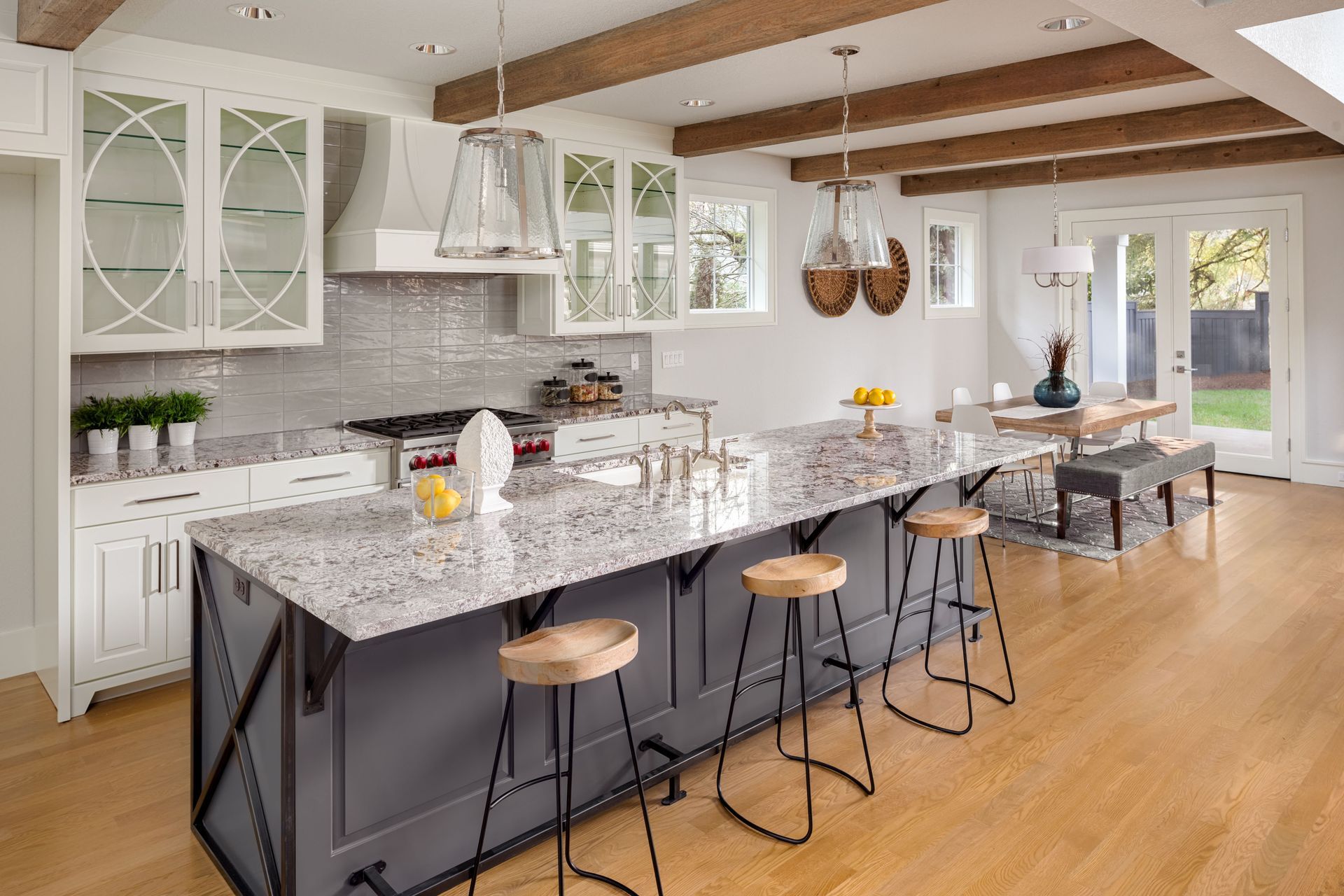
Countertops and backsplashes face continuous daily wear, making material durability and maintenance requirements critical factors during product selection. Quartz, granite, marble, and solid surface options each offer unique aesthetic qualities, heat resistance ratings, and care demands at varying price points. In addition to material costs per square foot, factor in fabrication complexity, edge profile detailing, and professional installation fees. A well-chosen backsplash tile can elevate standard countertop materials, creating a high-end look while maintaining budget discipline. Experienced local kitchen designers can guide you toward durable, stylish material pairings that fit comfortably within your financial parameters.
Selecting surface materials requires thinking beyond initial store prices to account for long-term maintenance needs and daily performance. While natural marble offers unmatched elegance, its porous structure requires frequent sealing and remains susceptible to acid etching from lemon juice, wine, and coffee. Quartz, an engineered composite material, provides high stain resistance and zero ongoing sealing demands, making it a low-maintenance favorite for busy households. Beyond the slab itself, custom edge details like ogee, waterfall, or mitered cuts add fabrication labor costs that should be calculated early in your design budget. Pairing an economical quartz or granite slab with a striking focal-point backsplash tile—such as hand-glazed ceramic, classic subway tile, or intricate mosaic patterns—delivers a custom aesthetic without overextending your overall financial limits. Working alongside local kitchen designers helps you compare material samples under real lighting conditions, ensuring your countertop and backsplash choices deliver exceptional durability, easy cleaning, and lasting visual harmony.
Choosing Energy-Efficient Appliances and Fixtures
Selecting kitchen appliances requires balancing initial purchase prices, long-term energy efficiency, and daily lifestyle demands. Premium appliance packages, professional-grade ranges, and integrated panel-ready refrigeration units enhance luxury appeal but require a larger portion of your allocation. Mid-tier Energy Star rated models offer excellent performance, modern features, and lower ongoing utility expenses without the premium price tag. Additionally, don't forget to budget for quality plumbing fixtures, heavy-duty garbage disposals, and adequate ventilation hoods that keep your kitchen running smoothly. Collaborating with trusted kitchen designers ensures your appliance dimensions align perfectly with your cabinetry plans to prevent costly installation surprises.
Accounting for Labor, Permits, and Unexpected Contingencies
Professional installation, trade labor, and local building permits typically account for a significant portion of your total kitchen renovation investment. Skilled trade professionals ensure that plumbing, electrical, tile work, and cabinet installation meet rigid local building codes and industry safety standards. Furthermore, every prudent kitchen budget should include a dedicated contingency fund of 10 to 20 percent to absorb unforeseen issues, such as outdated wiring, hidden water damage, or subfloor repair. Working alongside knowledgeable local kitchen designers helps you anticipate potential hidden costs during the design phase, keeping your financial plan secure from start to finish.
Planning a kitchen renovation requires a thoughtful balance of design inspiration, practical choices, and disciplined financial allocation. By focusing on quality materials, efficient layouts, and proper contingency planning, you can transform your space with complete peace of mind. For expert assistance with custom kitchen design, bathroom remodeling, cabinetry, and complete interior transformations, contact the experienced design team at Cress Kitchen & Bath.