October 20, 2026
Planning a major home renovation involves more than choosing paint colors, new flooring, or updated fixtures. Homeowners must determine which projects deserve immediate attention, how different improvements affect one another, and how to make the most of their available budget. Without a clear plan, it can be easy to focus on attractive finishes while overlooking structural concerns or essential upgrades. A whole home renovation requires careful coordination because decisions made in one room can influence work in other areas of the house. Professional guidance helps homeowners establish realistic priorities, organize projects in a logical sequence, and make informed decisions before construction begins. Designers and renovation professionals can also identify potential challenges that might otherwise lead to delays or additional expenses. By evaluating the property's condition, the household's needs, and the overall project goals, homeowners can develop a practical renovation strategy. A well-organized approach helps keep improvements aligned with the home's long-term functionality, comfort, and appearance.
Evaluating the Home's Current Condition
Professionals typically begin by examining the home's existing condition before recommending specific improvements. This assessment may include reviewing visible structural concerns, plumbing systems, electrical components, ventilation, and other essential features. Identifying problems early helps homeowners distinguish necessary repairs from optional cosmetic upgrades. For example, addressing a persistent plumbing leak should generally take priority over installing decorative wall treatments nearby. Professionals can also recognize areas where aging materials or outdated systems may affect future renovation work. According to Houzz, half of U.S. homeowners planned to undertake home renovations in 2026, highlighting the continued interest in improving residential spaces. An initial evaluation helps homeowners understand which projects are most important and which can reasonably wait. This information creates a stronger foundation for planning the renovation schedule and allocating available resources.
Establishing Clear Renovation Goals
Before deciding which rooms to renovate first, homeowners benefit from identifying what they want the finished property to accomplish. Some families need more functional kitchens, while others want improved accessibility, additional storage, or better use of existing living spaces. Professionals can discuss these priorities and help translate broad ideas into specific, achievable objectives. Establishing clear goals also helps homeowners avoid investing in features that do not address their actual needs. For instance, a family that regularly prepares meals together may benefit more from improving kitchen workflow than adding decorative features with limited practical value. A whole home renovation becomes easier to manage when every proposed improvement supports a defined purpose. Professionals can help distinguish essential requirements from desirable extras while keeping the overall vision consistent. This process provides a reference point for making decisions throughout planning, design, and construction.
Addressing Essential Repairs First
Structural and mechanical concerns often need attention before decorative improvements begin. Roof leaks, damaged framing, deteriorating materials, faulty wiring, and plumbing problems can affect the safety or durability of other renovation work. Leaving these issues unresolved may damage newly installed finishes or require completed areas to be opened again. Professionals can help homeowners identify which repairs are urgent and determine whether specialized inspections are necessary. They can also explain how addressing underlying problems supports the long-term performance of the property. Once critical repairs are accounted for, homeowners can make more confident decisions about cosmetic updates and new features. Prioritizing essential work reduces the likelihood of avoidable rework during construction. It also helps establish a sensible sequence for the remaining renovation projects.
Organizing Projects in the Right Sequence
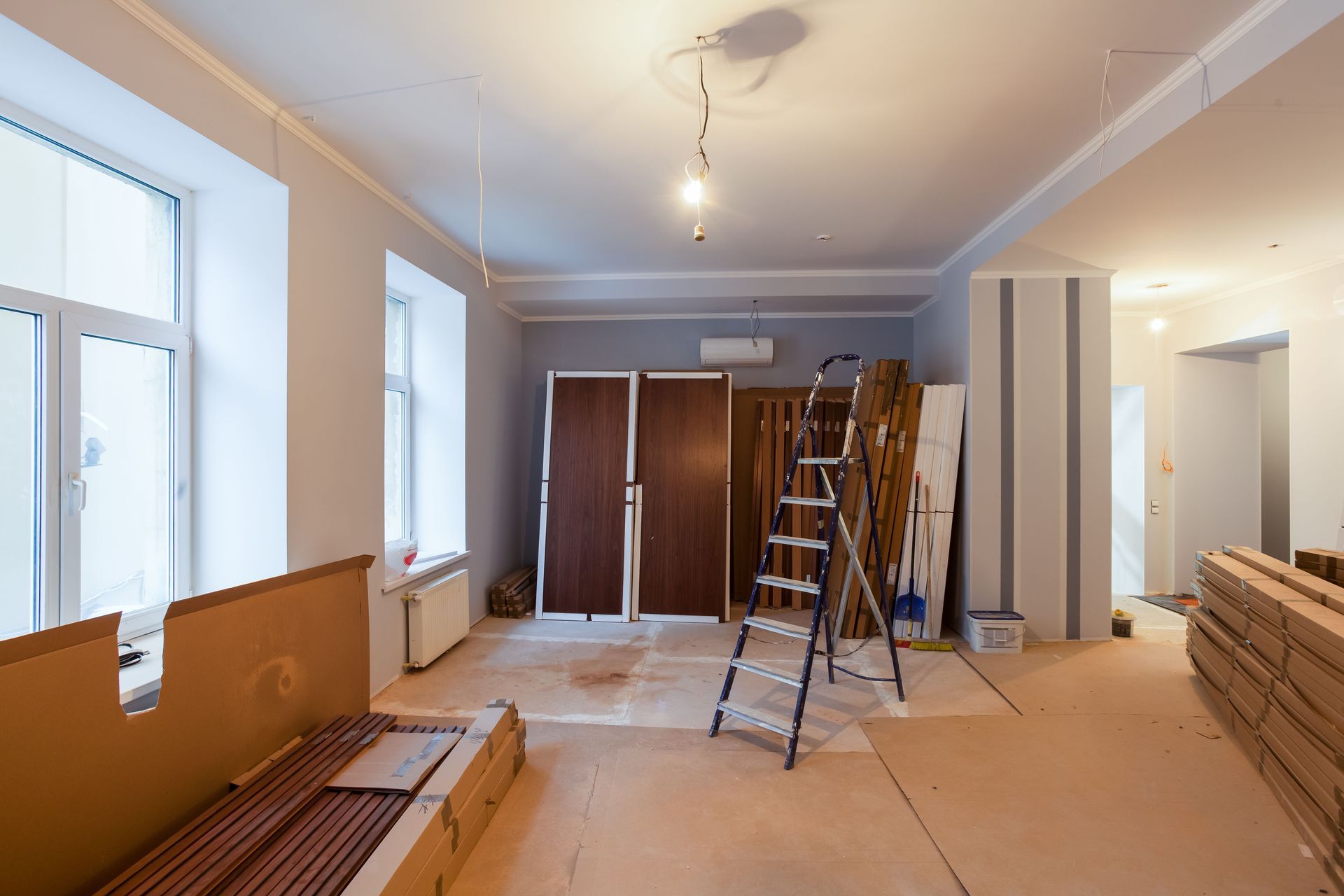
Renovation tasks often depend on one another, making the order of work an important planning consideration. Electrical updates, plumbing changes, and structural modifications may need to be completed before insulation, drywall, flooring, or cabinetry is installed. Professionals can map out these dependencies to reduce scheduling conflicts and prevent completed work from being damaged by later activities. For example, kitchen plumbing and electrical adjustments should generally be coordinated before cabinets and countertops are finalized. The same principle applies to bathroom renovations, where waterproofing and plumbing preparation must precede many finish installations. A whole home renovation benefits from a coordinated schedule that accounts for contractors, material deliveries, inspections, and access to work areas. Professionals can also identify tasks that may proceed simultaneously without interfering with one another. This planning helps the project move forward in a more organized and predictable way.
Allocating the Budget According to Priorities
A renovation budget must account for necessary repairs, design choices, labor, materials, and unexpected conditions that may emerge during construction. Professionals can help homeowners divide available funds according to the importance and expected cost of each project. Essential repairs and improvements that support everyday functionality generally deserve attention before optional upgrades. Homeowners can then compare finish options and decide where premium materials will provide the greatest benefit. For example, investing in durable kitchen countertops may be more useful than spending heavily on decorative accessories that can be replaced later. A realistic budget should also include a contingency allowance for unforeseen expenses. Professionals can explain the financial trade-offs between different choices and help homeowners avoid committing too much of their budget to a single room. Regular budget reviews keep spending aligned with the renovation's goals as decisions develop.
Improving Everyday Functionality
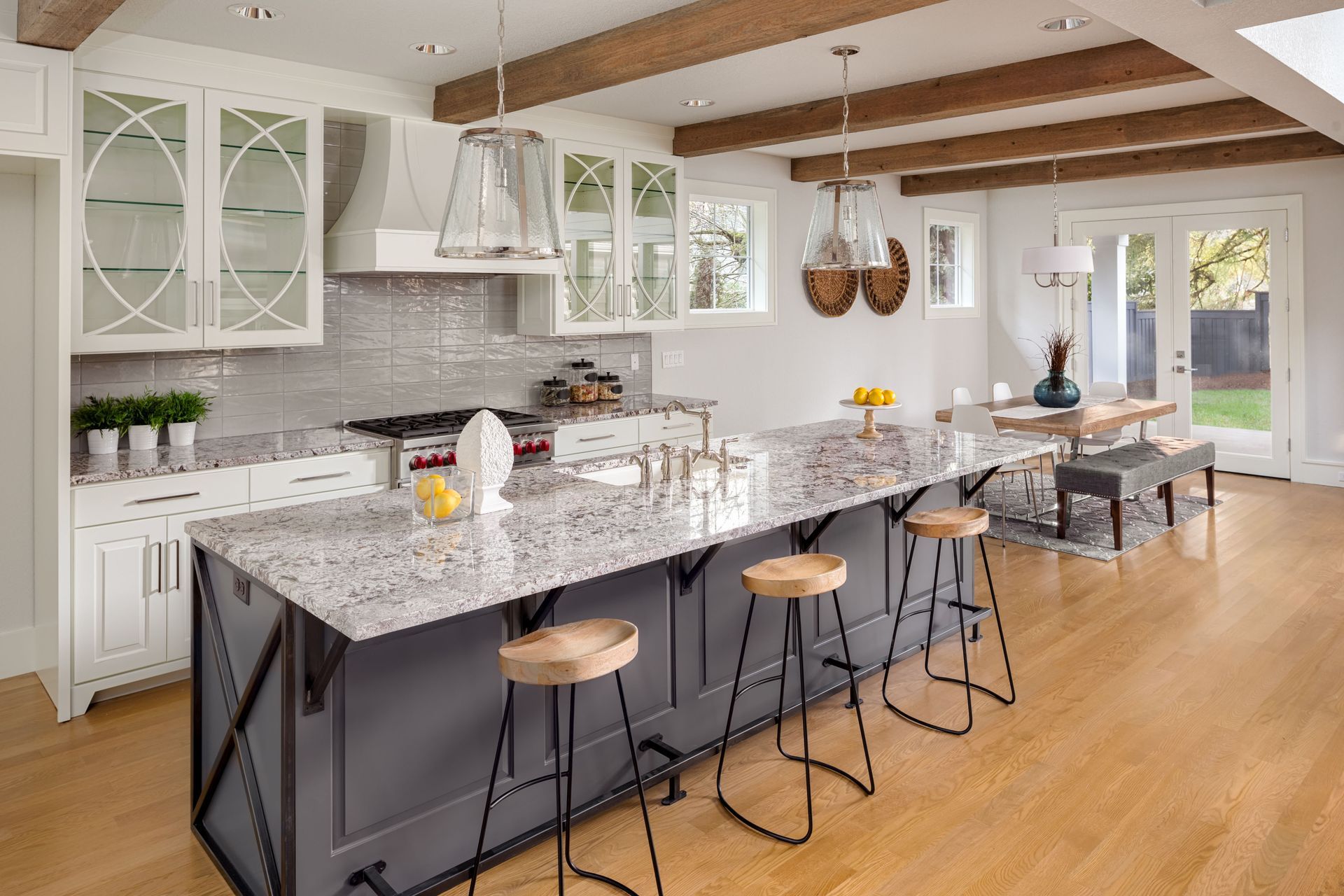
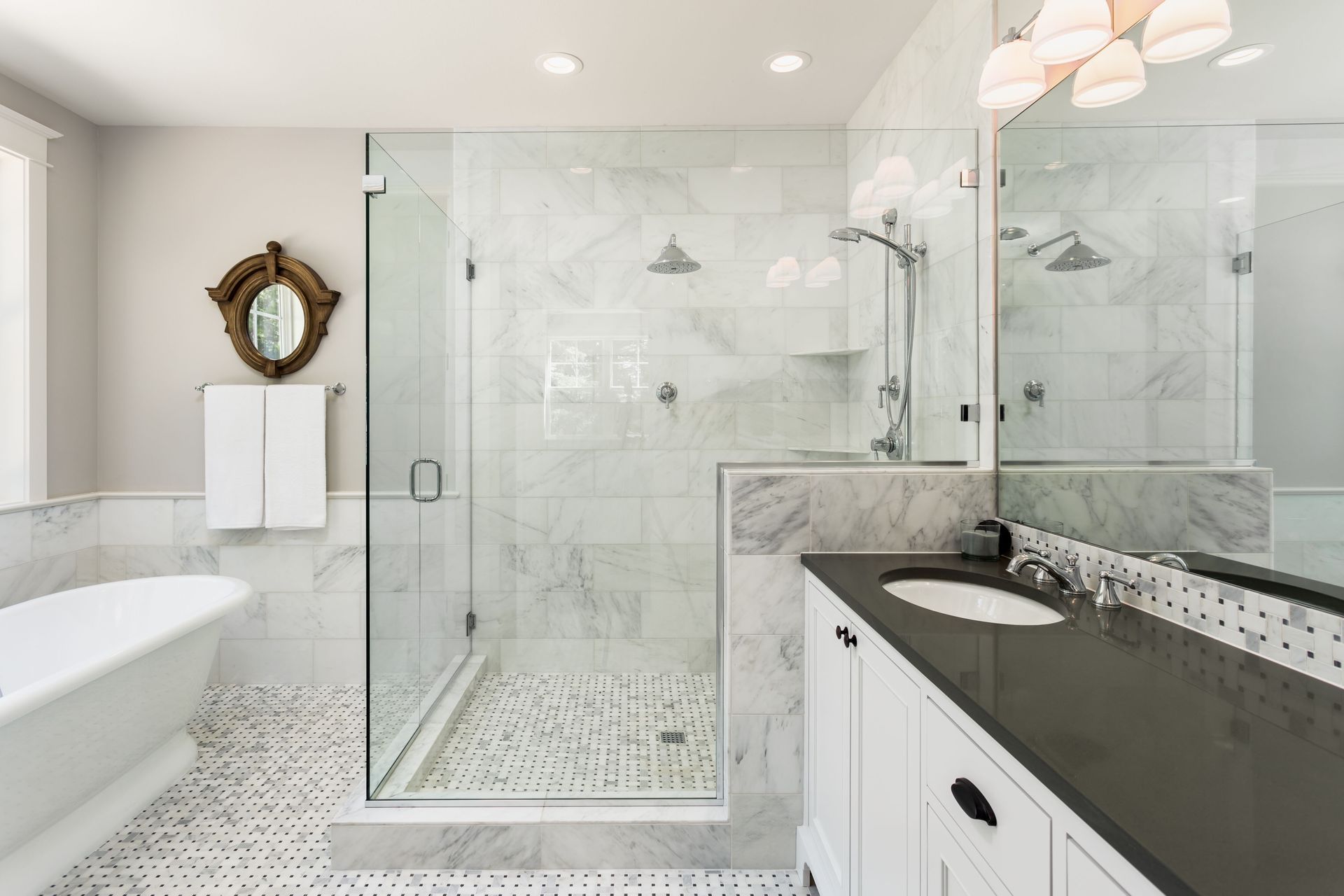
A successful renovation should make a home easier and more comfortable to use, not simply improve its appearance. Professionals evaluate how household members move through rooms, where storage is needed, and whether existing layouts support daily routines. In kitchens, this may involve improving access between preparation areas, appliances, and storage. Bathrooms may benefit from better lighting, more accessible fixtures, or improved storage for everyday essentials. Living areas can be reorganized to support conversation, relaxation, and changing family needs. During a whole home renovation, these improvements should also be considered in relation to the way different rooms connect. Professionals can help homeowners identify practical changes that offer lasting value instead of focusing exclusively on short-term design trends. By emphasizing function alongside appearance, the finished home can better support the household's lifestyle.
Coordinating Design Choices Across Rooms
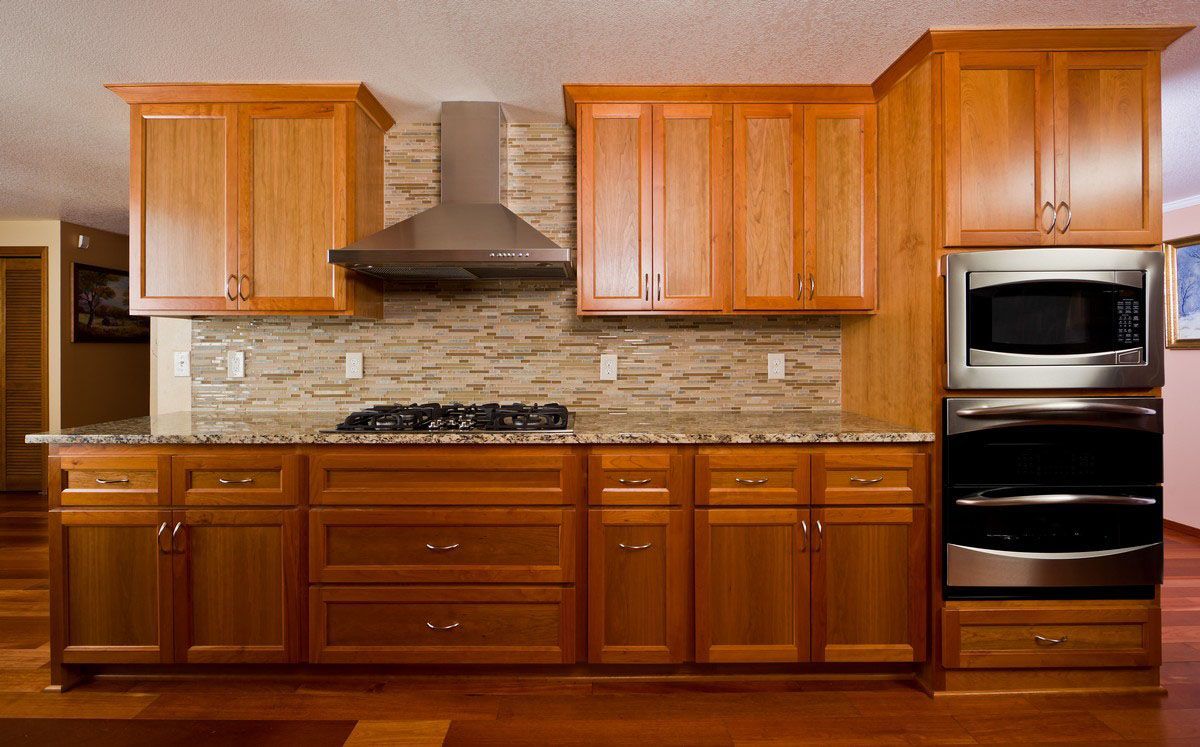
When several rooms are updated together, maintaining a consistent design direction helps the home feel connected rather than disjointed. Professionals can guide homeowners in selecting complementary colors, materials, hardware finishes, lighting styles, and architectural details. This does not mean every room must look identical, since each space can retain its own personality and purpose. Instead, repeating selected design elements creates a visual relationship between adjoining areas. For example, similar wood tones or coordinating metal finishes can connect a kitchen with nearby dining and living spaces. Designers can also help homeowners balance existing features with new materials so the renovation feels intentional. Careful coordination reduces the risk of choosing finishes individually that clash when viewed together. It also makes it easier to evaluate samples and finalize selections before installation begins.
Preparing for Delays and Future Needs
Even carefully planned renovations can encounter unexpected challenges, including hidden damage, delayed materials, or changes to project requirements. Professionals help homeowners prepare for these possibilities by developing realistic schedules and identifying decisions that should be finalized early. Ordering key materials in advance can reduce the likelihood that a missing item will interrupt construction. Homeowners should also consider how their needs may change over time, particularly if they expect to remain in the property for many years. Flexible layouts, durable finishes, accessible pathways, and adaptable storage can help a renovated home remain useful as circumstances evolve. A whole home renovation offers an opportunity to address current frustrations while planning for future household requirements. Professionals can help weigh these long-term considerations against immediate budget and design priorities. With contingency planning and clear communication, homeowners can respond to challenges without losing sight of the overall project goals.
Prioritizing renovation projects helps homeowners direct their time, budget, and attention toward the improvements that matter most. Evaluating the home's condition, addressing essential repairs, coordinating construction tasks, and choosing complementary finishes all contribute to a more organized process. Professional guidance can also help homeowners balance practical requirements with the design features they want to enjoy every day. When decisions are made in the right order, it becomes easier to reduce unnecessary rework and keep individual projects aligned with the overall vision. Cress Kitchen & Bath can help homeowners explore design possibilities and plan improvements around their needs, preferences, and goals. Contact us to discuss your whole home renovation plans and take the next step toward creating a home that works beautifully for your household.