November 15, 2026
A whole home renovation can feel unfinished when the bathroom still belongs to a different era. Newly refreshed living spaces may highlight a cramped vanity, dated tile, or lighting that makes the adjoining bathroom feel disconnected. Updating that room gives the larger project a chance to improve daily routines as well as appearance. The most effective upgrades relate to the home around them while responding to the particular demands of a bathroom.
That balance requires more than repeating the same finish in every room. A bathroom contractor can help translate the home's overall style into materials, fixtures, and arrangements suited to moisture, privacy, and frequent use. The result should feel connected without losing its individual purpose. Thoughtful choices make the bathroom a meaningful part of the renovation, rather than a separate project that happens to share the same walls.
Finishes That Connect the Bathroom to the Home
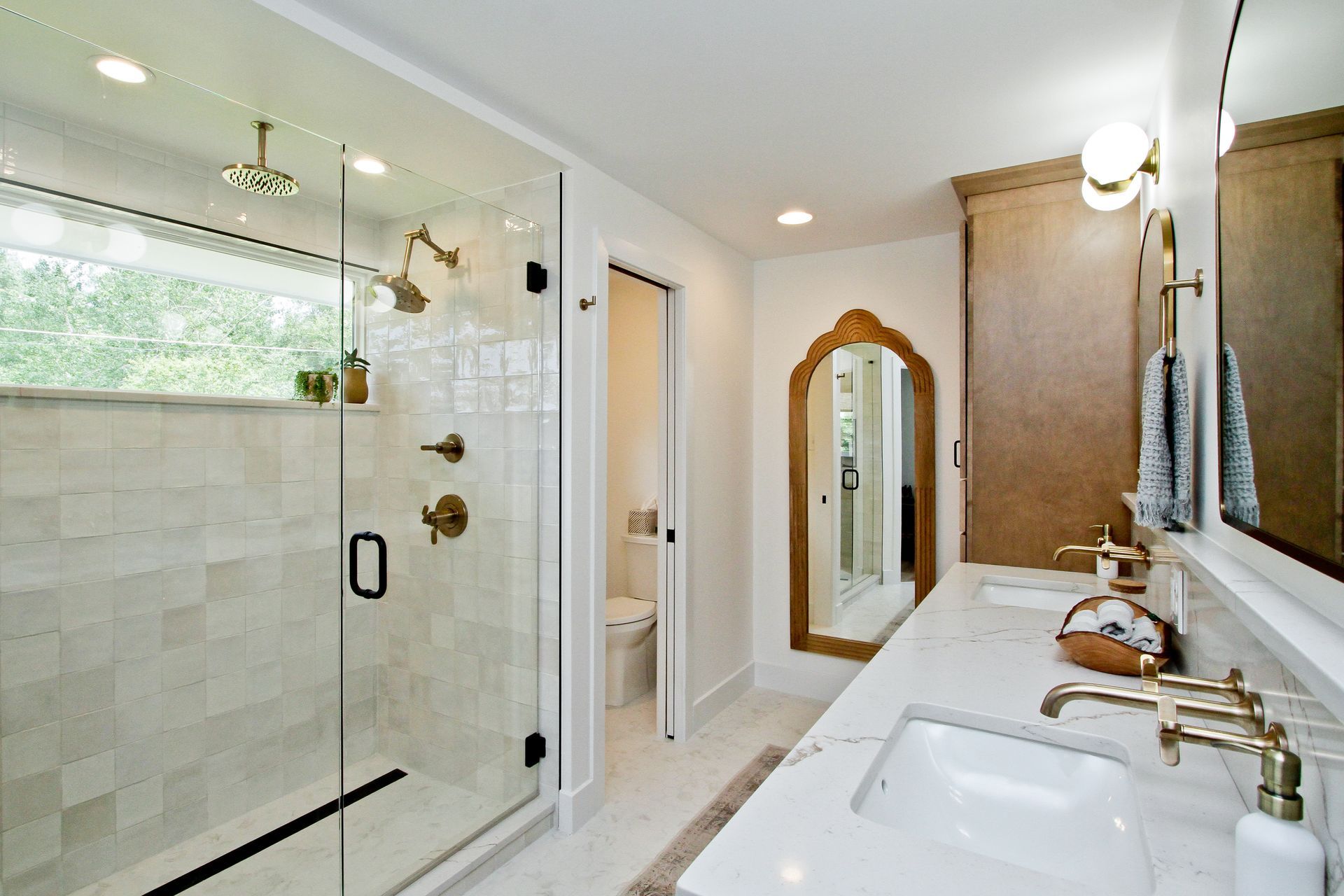
Tile and other visible finishes establish an immediate relationship between the bathroom and nearby rooms. A warm wood tone in the vanity can echo cabinetry elsewhere, while tile colors can pick up quieter shades from the surrounding interior. Repeating an undertone or a simple design detail often creates enough connection without requiring identical materials. For example, a restrained hardware style can appear throughout the home even when bathroom materials differ from those in adjacent rooms. This approach gives the bathroom its own character while allowing the house to feel deliberately designed from one space to the next.
Material coordination also needs to account for where each surface will be used. A floor that suits a dry living area may not offer the qualities needed around a shower or tub. Discussing moisture exposure, traction, and care requirements with a bathroom contractor helps keep visual continuity grounded in practical performance. The strongest selections connect with the larger design through color, scale, or texture while remaining appropriate for the conditions they will encounter every day.
Cabinetry That Makes the Renovation Easier to Live With
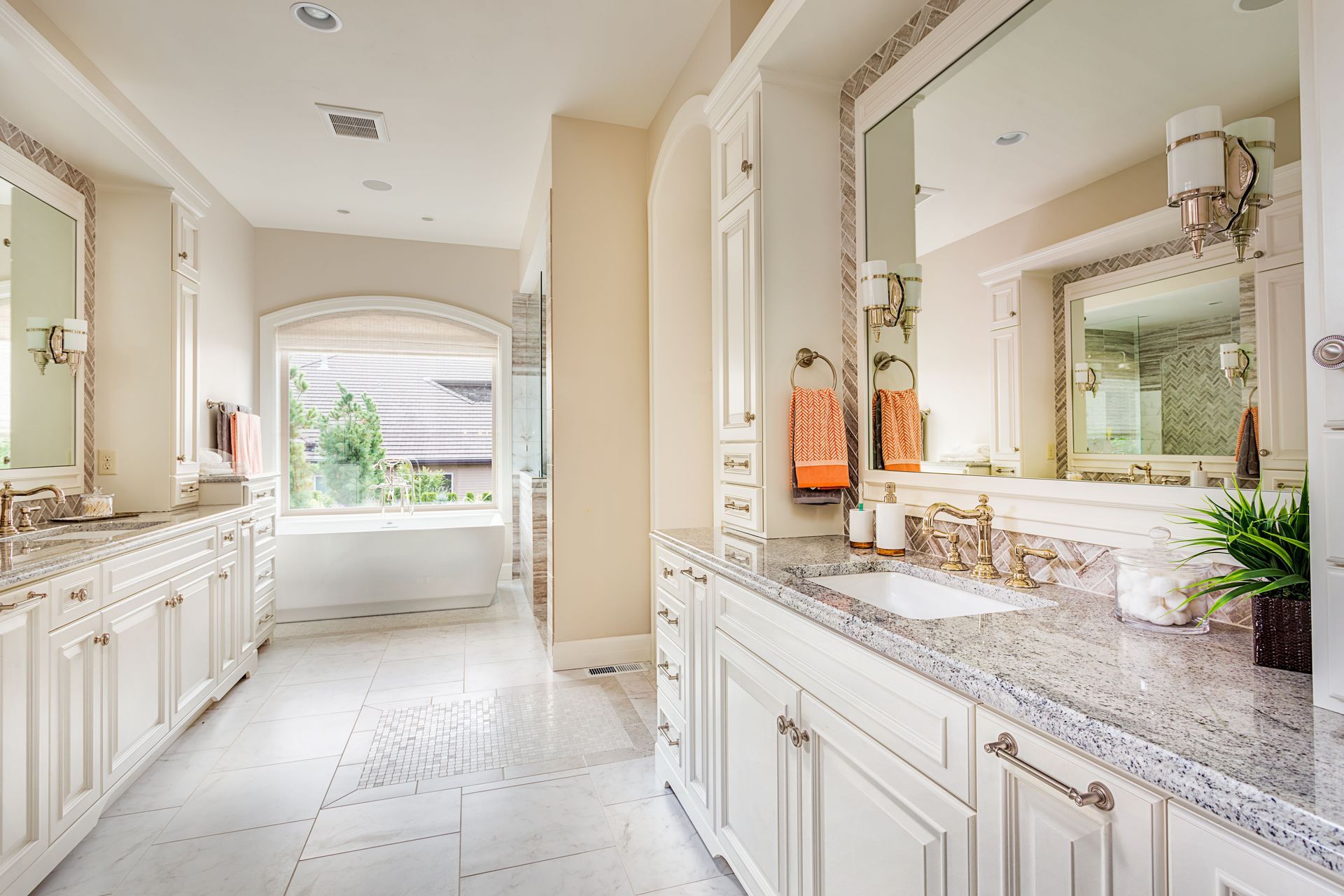
Custom cabinetry and vanities can make a bathroom feel more closely related to the rest of a renovated home. Door profiles, hardware, and finishes can reflect established design choices, while the interior storage responds specifically to bathroom routines. The amount of cabinetry also affects how spacious the room feels. A cabinet that looks balanced from the doorway can still be inconvenient if its doors interfere with another fixture. A well-proportioned vanity should provide useful storage while leaving comfortable room for movement, drawer access, and the other activities that share the space.
The practical value becomes especially clear when belongings have a place near where they are used. Everyday grooming products, extra towels, and items kept out of sight require different kinds of storage. Explaining which items need to stay within reach gives a bathroom contractor a clearer basis for arranging vanity drawers, cabinets, or built-in shelving. When the storage arrangement supports the household's actual habits, the bathroom contributes to the larger renovation's sense of order instead of becoming the place where clutter gathers.
Bathing Areas That Improve the Household's Routine
Shower and tub upgrades deserve attention because their usefulness extends beyond the moments spent bathing. An awkward entrance or oversized fixture can influence how easily people move through the bathroom during a busy morning. A redesigned shower or a more suitable tub can make the room easier to share with the other functions it contains. The right choice depends on how the household uses the space and what makes the existing arrangement inconvenient. That may mean prioritizing a bathing area that accommodates familiar habits over adding a feature that would rarely be used.
A visually striking bathing area should still leave adequate space for the vanity and the path through the room. During planning, a bathroom contractor can explore how different fixture arrangements affect those relationships before installation begins. A shower-focused layout may suit one household, while another may place greater importance on keeping a comfortable tub. Choosing around those preferences helps the bathroom support the way the renovated home will be lived in, with appearance and daily use developing together.
Lighting That Supports Both Tasks and Atmosphere
Lighting can change how a bathroom relates to the spaces around it. A room reached from a softly lit bedroom may feel jarring if its only option is harsh overhead illumination. At the same time, a calming atmosphere does little to help someone who cannot see clearly at the mirror. Modern lighting solutions allow those different needs to be considered together, giving the bathroom a comfortable character without sacrificing visibility during ordinary routines.
Fixture placement matters as much as the appearance of the fixture itself. Light near the vanity should support grooming, while the rest of the room needs illumination suited to movement and bathing. Coordinating these choices with a bathroom contractor brings the electrical work into the design discussion early. Considering the tile and vanity finishes alongside the lighting also helps reveal how their colors and textures will appear in use. The finished room can then feel intentional in different situations, whether someone is getting ready quickly or winding down, while retaining a visual relationship with the rest of the home.
Accessibility That Keeps the Home Useful Over Time
Whole home renovations often involve thinking about how the house should serve its occupants for years. The bathroom deserves particular attention because changes in mobility can make once-familiar routines more difficult. The bathing entrance, room to move, and access to the vanity all influence how comfortable the space remains. Accessibility modifications are most useful when they respond to the people who will use the room and work naturally within its overall design.
Planning those needs alongside the other upgrades creates opportunities to address function without treating accessibility as an afterthought. A bathroom contractor can discuss how the layout and selected features might accommodate current limitations or changing needs. Those decisions should also respect the room's proportions, since adding features without considering usable space can introduce new obstacles. A bathroom that remains comfortable to use helps the broader renovation continue serving the household as routines and abilities change over time.
Durable Improvements That Support Lasting Value
Bathroom upgrades also matter when considering how a future owner may experience the renovated home. According to the Woodworking Network, homeowners may recover roughly 50% to 60% of kitchen or bathroom renovation spending when they sell their property. A room that feels consistent with the rest of the house helps present the renovation as a thoughtful whole. For current owners, durable materials and a layout that suits daily routines provide benefits throughout the time they live there.
The work behind finished surfaces also influences how well the bathroom supports the larger renovation. Waterproofing, plumbing updates, and electrical work need coordination with tile and fixture installation. Working with a bathroom contractor who addresses both design and construction connects the intended appearance with practical performance. Giving those elements attention during the remodel helps protect the usefulness of the finished room and reduces the likelihood that unresolved problems will disrupt newly completed work later.
A bathroom elevates a whole home renovation when it feels like a natural part of the house and makes ordinary routines more comfortable. Its contribution becomes clearest over time, as thoughtful details continue working long after the initial transformation. At Cress Kitchen & Bath, we bring personalized bathroom design and remodeling together with attention to the way each space will be used. Contact us to discuss a bathroom that complements your home and supports your daily life.